






We Can...
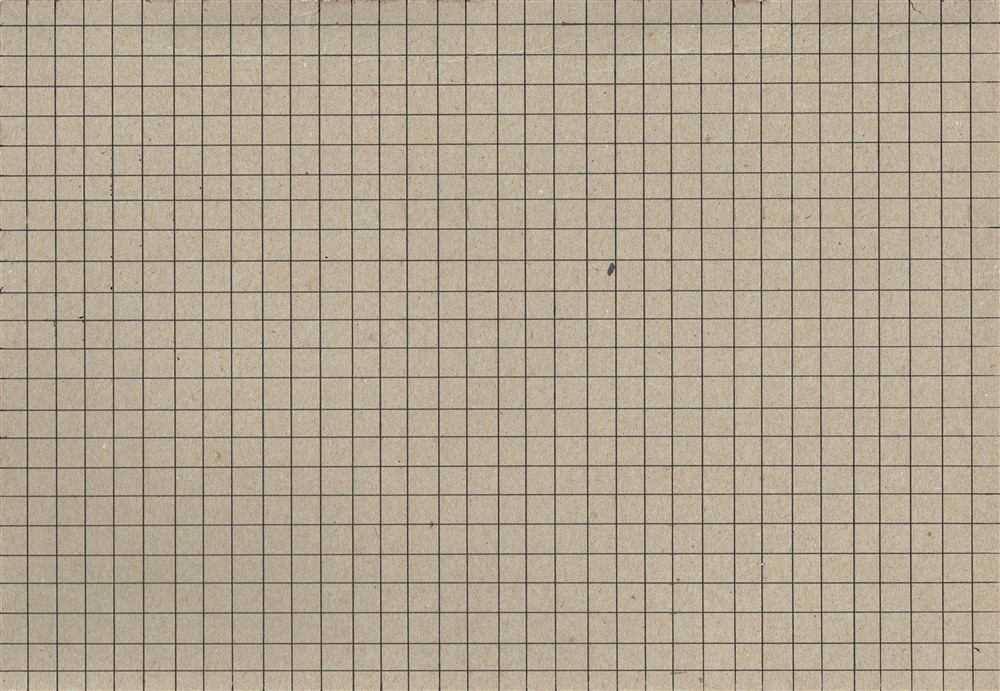
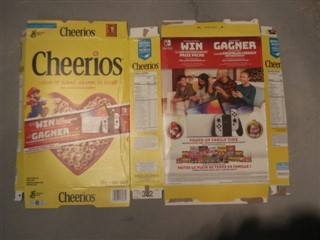
compel cereal companies to modify the internal surfaces of their cereal boxes. A precise, one centimeter, square grid should be designed and printed on the inside surface of all cereal boxes. Example:



The problem with the current system:
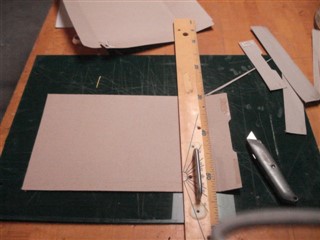
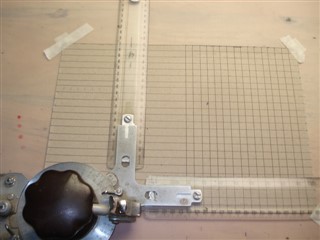
Currently, preparing gridded boxboard for a classroom is an inefficient process. A teacher might spend ten minutes drawing a grid on a single box using a drafting machine. This is too time-consuming and complicated for busy elementary educators to do for every student in their class. The result is a missed opportunity for a simple, accessible learning aid.
The Benefits of a Standardized Grid:
Studying the metric system is fundamental to learning essential MST skills.
The metric system is the international standard unit of measurement, used by nearly every country in the world, and its base-ten structure makes calculation intuitive.
By incorporating a metric grid onto the inside of cereal boxes, students would have immediate access to a free, standardized building material.
This approach offers several advantages:
The great thing about the system is that it is easy to calculate because it uses multiples of tens. Some measurement systems are based on measurements of body parts like feet. That doesn't make sense.
Affordability and Accessibility: Students can easily transport these recycled materials from home to the classroom, ensuring every student has access.
Environmental Stewardship:
While approximately 70% of cereal boxes are currently recycled, the remaining 30% end up in the garbage. Repurposing them for education promotes sustainability.
Practical Learning:
The grid provides a tangible way for students to practice and understand metric linear, area, and volume calculations.
Currently, preparing gridded boxboard for a classroom is an inefficient process. A teacher might spend ten minutes drawing a grid on a single box using a drafting machine. This is too time-consuming and complicated for busy elementary educators to do for every student in their class. The result is a missed opportunity for a simple, accessible learning aid.
The Benefits of a Standardized Grid:
Studying the metric system is fundamental to learning essential MST skills.
The metric system is the international standard unit of measurement, used by nearly every country in the world, and its base-ten structure makes calculation intuitive.
By incorporating a metric grid onto the inside of cereal boxes, students would have immediate access to a free, standardized building material.
This approach offers several advantages:
The great thing about the system is that it is easy to calculate because it uses multiples of tens. Some measurement systems are based on measurements of body parts like feet. That doesn't make sense.
Affordability and Accessibility: Students can easily transport these recycled materials from home to the classroom, ensuring every student has access.
Environmental Stewardship:
While approximately 70% of cereal boxes are currently recycled, the remaining 30% end up in the garbage. Repurposing them for education promotes sustainability.
Practical Learning:
The grid provides a tangible way for students to practice and understand metric linear, area, and volume calculations.
Also cereal companies have the responsibility
of promoting the recycling of cereal boxes
(boxboard) in the classroom.
How we organized and used boxboard on Father's Day


Cereal Box
Boxboard
Trim to Size
Draw the
grid
grid
The Cost to Cereal Companies? Micro-Pennies.
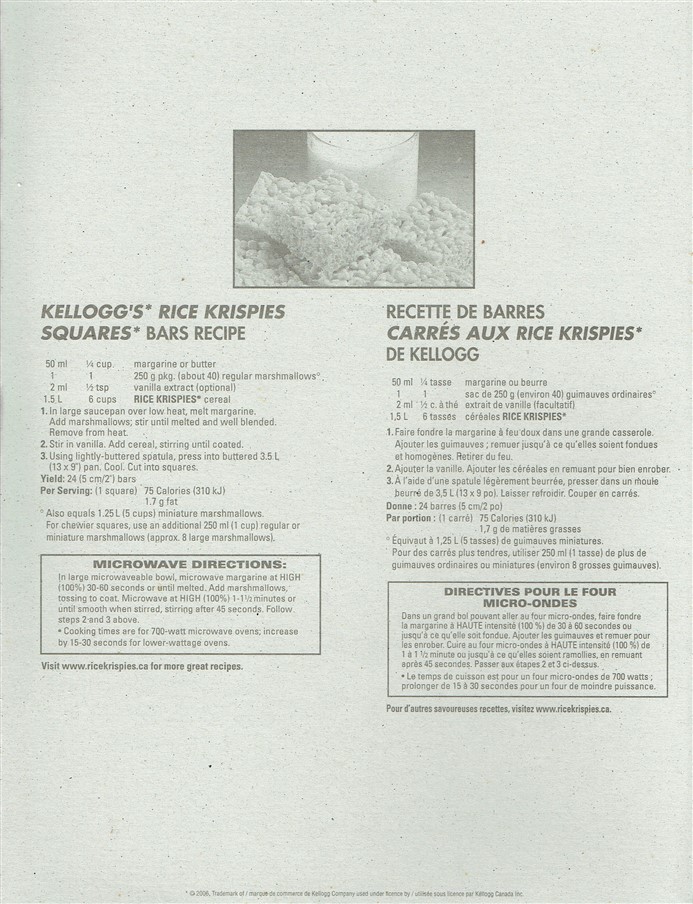
Cereal companies already utilize the internal surfaces of their boxes for recipes and promotions (e.g., the Rice Krispies Treats recipe). The cost of adding a high-quality, one-centimeter grid would be negligible—mere micro-pennies per box.
Furthermore: companies could use part of the exterior packaging to promote the metric system, informing students of proper measurement names, and undertaking the promotion of recycling and repurposing boxboard in the classroom as a community initiative.
Why a Square Centimeter Grid?
The modern world is built on design and technology, and the underlying language of technology is the grid.
Everything man-made—the house you live in, the car you drive, the coffee machine that brews your coffee—was visualized and drawn on a two- or three-dimensional grid system.
Designers visualize top, front, and side views simultaneously. Kids need to learn this spatial reasoning skill.
A simple metric grid provides the foundational tool for this type of design thinking, creativity, and visualization. The federal government has control over what is printed on food packaging. Public support and pressure are needed to push for this simple, effective change that would give teachers an affordable material to help foster the next generation of inventors and designers.
Cereal companies already utilize the internal surfaces of their boxes for recipes and promotions (e.g., the Rice Krispies Treats recipe). The cost of adding a high-quality, one-centimeter grid would be negligible—mere micro-pennies per box.
Furthermore: companies could use part of the exterior packaging to promote the metric system, informing students of proper measurement names, and undertaking the promotion of recycling and repurposing boxboard in the classroom as a community initiative.
Why a Square Centimeter Grid?
The modern world is built on design and technology, and the underlying language of technology is the grid.
Everything man-made—the house you live in, the car you drive, the coffee machine that brews your coffee—was visualized and drawn on a two- or three-dimensional grid system.
Designers visualize top, front, and side views simultaneously. Kids need to learn this spatial reasoning skill.
A simple metric grid provides the foundational tool for this type of design thinking, creativity, and visualization. The federal government has control over what is printed on food packaging. Public support and pressure are needed to push for this simple, effective change that would give teachers an affordable material to help foster the next generation of inventors and designers.